
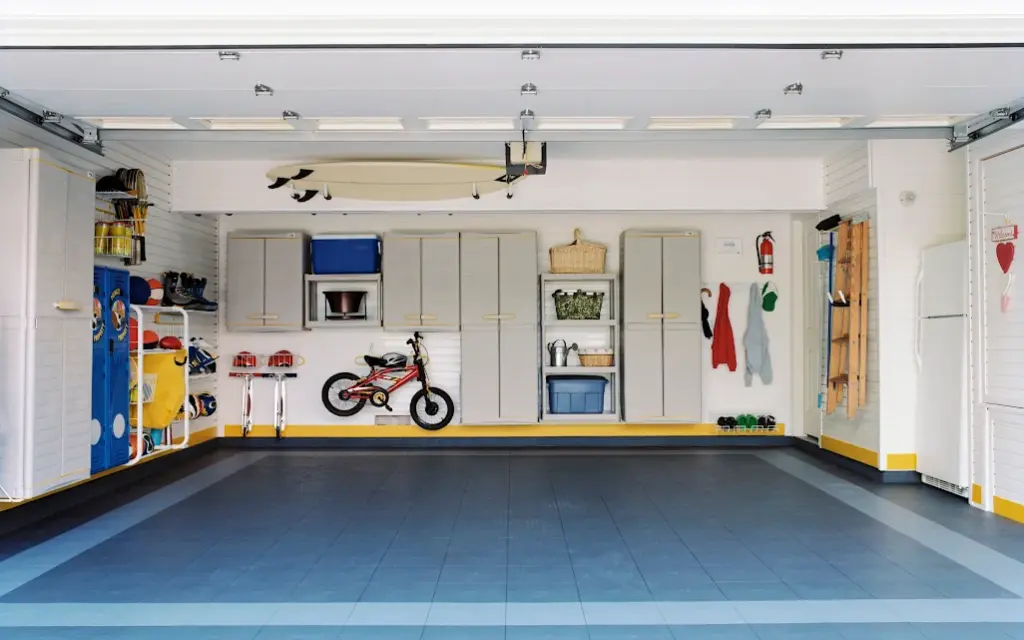
When salt slush, sub-zero winds, and freeze-thaw cycles descend on Chicagoland, your garage floor takes the blunt force of the Midwest winter. Everyone has to ask themselves the same question: which one’s the best between epoxy vs polyaspartic garage floor coatings? Every time you pull your snow-covered car into the garage, you bring in road salt, calcium chloride, and freezing moisture with you. It attacks the garage floor and degrades it. People look for a coating that lasts long and doesn’t present issues along the way.
Well, let’s answer that question today! In this blog, we will try our best to bring you a solution to this problem. What better way to help you decide than to hire expert help from none other than Babcock Restoration Services? They specialize in epoxy coatings for your floors and have hands-on experience behind them to do a well-organized job.
With that said, let’s understand garage coatings.
Epoxy vs Polyaspartic Garage Floor Coating: What’s the best for you?
Polyaspartic floor coating costs more than epoxy. There are good reasons to back it up. While traditional epoxy works fine in mild climates, Chicago’s harsh winter conditions exploit epoxy’s major chemical weaknesses. These conditions include extreme freeze-thaw cycles, heavy road salts, dynamic temperature shifts, and winter moisture.
- Flexibility under extreme col
Concrete has a property that causes it to shift and flex when temperature moves from sub-zero to above freezing. This causes epoxy, which has cured into a rigid, hard shell, to crack, snap, or delaminate from the concrete.
While epoxy snaps, polyaspartic coatings function more like an elastic bridge. This allows for maintenance of flex strength across a range of temperatures.
- Chemical Immunity
The road crew in Chicagoland relies heavily on substances like magnesium chloride and rock salt to clear the roads of snow. This salty slush, when driven into the garage, collects under your vehicle and starts to damage the garage coating. If you do a garage floor coating comparison here, polyaspartic wins. It creates a full barrier that resists chemical attack and salt corrosion. Epoxy degrades faster over repeated winter damage.
- Moisture Resistance
When cold, wet tires come into contact with salt, they create the exact conditions that cause hot-tire pickup. This is a phenomenon where tire heat lifts weak floor coating right off the slab in your garage. Polyaspartic coating has better adhesion, thereby resisting the lift-off. Epoxy is prone to getting lifted.
| Winter Stress Factor | Epoxy Coating | Polyaspartic Coating | Chicago Impact |
| Freeze-Thaw Flexibility | Rigid & Brittle: prone to cracking as concrete expands and contracts | Highly Flexible: moves dynamically with the concrete substrate | Prevents hairline cracks and surface micro-fractures during freeze cycles |
| Road Salt & De-icers | Moderately porous: road chemicals (magnesium chloride) degrade the bond over time | Non-porous and chemically inert: immune to salt brine and de-icers | Vehicle snowmelt dripping off winter cars won’t damage or stain the floor |
| Hot-Tire Pickup | High risk: hot winter tires combined with wet salt cause lifting | Extremely low risk: bonds deeply into concrete and resists tire heat | Prevents the coating from peeling off under tires in high-traffic parking spots |
| Cold-Weather Curing | Requires 50 degrees F+ to cure properly; hard to install in winter | Cures down to sub-zero temperatures | Allows year-round installation and fast 1-day cure times |
The Professional Compromise
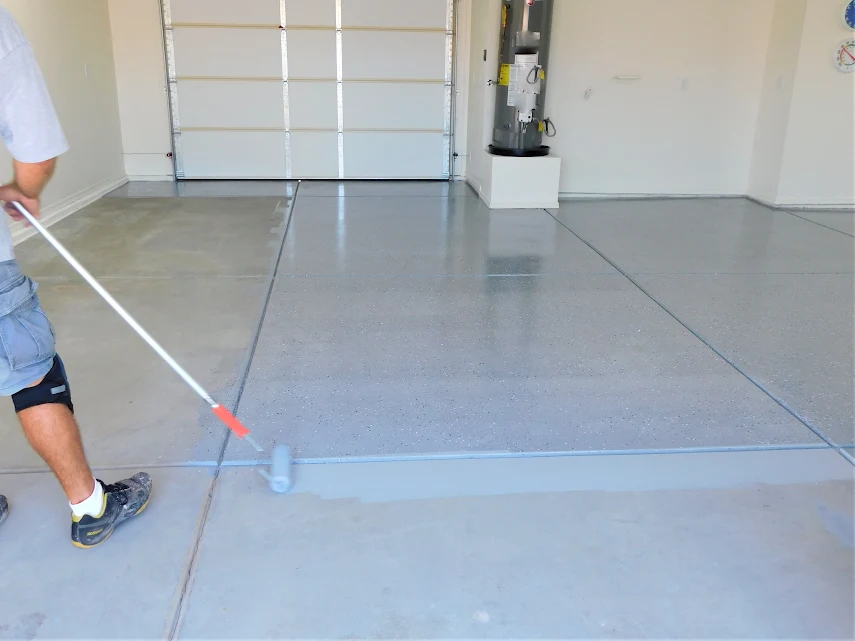
Many professional installers use a hybrid system in cold climates. This hybrid system would comprise a base layer of epoxy primer or basecoat for strong mechanical penetration into concrete pores. Once the grip is there, a pure polyaspartic finish coat is laid on top to provide the necessary chemical, UV, salt, and impact resistance. If you are looking for a single-type installation and don’t feel like experimenting with a hybrid system, go for a polyaspartic coating in winter for long-term peace of mind.
Conclusion
When winter hits, your garage endures some of the harshest conditions that your car brings in. While traditional epoxy coatings offer an affordable entry, their rigid structure and vulnerability to road brine make polyaspartic coating the better option. It comes down to whether you are planning on staying in your house for many years, or you just want a short-term fix to save money. Epoxy vs polyaspartic garage floor coatings have been resolved for you now.
All you need is professional service from a reputable team of workers over at Babcock Restoration Services. Their dedication to their work can bring your garage floor back to life.
Frequently Asked Questions
Will road salt ruin a polyaspartic floor?
No, road salt cannot corrode polyaspartic coating, keeping your garage floor safe.
Does snowmelt make polyaspartic floors slippery?
Not if installed correctly. If the installers broadcast anti-slip aggregates into the topcoat for traction, you would be just fine.
Why does epoxy peel under winter tires?
Warm tires combined with road salt weaken epoxy’s bonds to the concrete and weaken its efficacy.
Is polyaspartic worth the higher cost?
Yes. It costs 20 to 30% more upfront but its long lifespan saves money on future repairs.
Is polyaspartic suitable for DIY installation?
No. It cures in 20 to 30 minutes, requiring professional equipment to properly cure.