
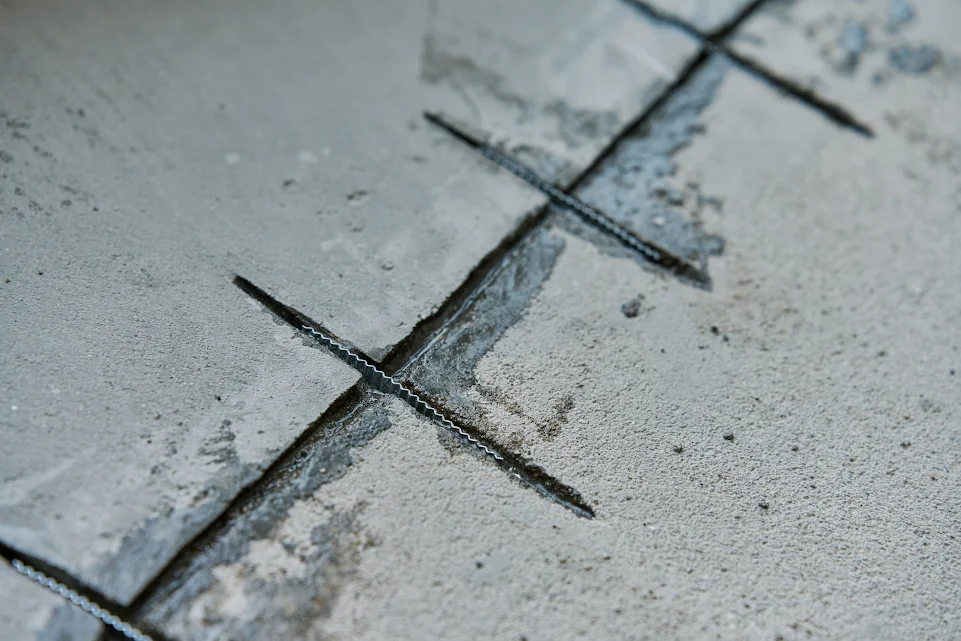
If surface spalling, pitting, or deep cracks are noticed on your slab, determining the concrete floor repair cost is likely to be the first thing that springs to mind. Babcock Restorations is committed to detecting floor issues early and providing solutions that last. For standard residential and commercial concrete floors, the national average cost of repairing the concrete floor varies between $3 and $8 per square foot of the floor area, depending on the level of restoration needed; minor repairs to hairline cracks are around $300, and major repairs to the slab’s structure are $2,500 or more per square foot.
The total investment requires knowledge of the severity of the damage, the complexity of slab preparation, and the selection of surface finishing options. Here’s a full step-by-step explanation of ways to calculate your project price and how to decide the best way to restore your project.
Breakdown of Concrete Repair Expenses
The price for concrete repair depends upon what kind of repair the slab needs, ranging from cosmetic filling to refinishing the top layer of concrete, to deep structural stabilization.
| Repair Level | Scope of Work | Typical Cost Range |
| Minor Crack Repair | Hairline filling, localized joint sealing | $1.50 – $4.00 per linear ft |
| Surface Resurfacing | Micro-topping overlay, grinding, smoothing | $3.00 – $7.00 per sq ft |
| Garage Floor Overhaul | Deep crack repair, grinding, protective coating | $5.00 – $12.00 per sq ft |
| Slab Mudjacking / Leveling | Polyurethane foam injection or slurry pump | $500 – $1,800 total |
4 Main Factors Influencing Total Repair Costs
1. Depth and Extent of Damage
Surface crazing and small structural cracks are less labour-intensive than wide structural cracks. To arrive at the cost for the concrete floor crack repair, the contractors will assess the crack to determine if it is a simple crack that is less than 1/8 inch wide or if it is a dynamic settlement crack (more than 1/8 inch) that requires epoxy injection and carbon-fiber stitching.
2. Surface Preparation & Grinding
When new overlays or coatings are applied, the proper surface preparation will guarantee that they will bond permanently to the base concrete. These additional labor costs are required for mechanical diamond grinding, shot blasting, moisture mitigation, etc., and they help to avoid premature peeling or delamination.
3. Surface Finishing & Protective Overlay
A full overlay may be necessary for aged slabs with extensive scaling or “pop-outs.” The cost of resurfacing concrete will range from $3 to $7 per square foot for a clean polymer-modified overlay, and decorative stamping, staining, or industrial epoxy systems will add to the investment.
4. Specialized Area Requirements
When restoring a high-traffic vehicle area such as a commercial bay or residential garage, there are some performance demands that will need to be satisfied. A typical garage floor repair may encompass a high-solid polyaspartic or epoxy topcoat, filling in the spalls of concrete caused by freezing and thawing conditions, and repairing the salt-pitted concrete.
Detailed Cost Breakdown by Repair Type
Crack Repair & Joint Filling
Basic filling of small surface fissures is $150 to $500. Cracks that extend deep and need flexible polyurea joint fillers or structural epoxy injection will cost between $4 and $10 per linear foot.
Concrete Resurfacing & Overlays
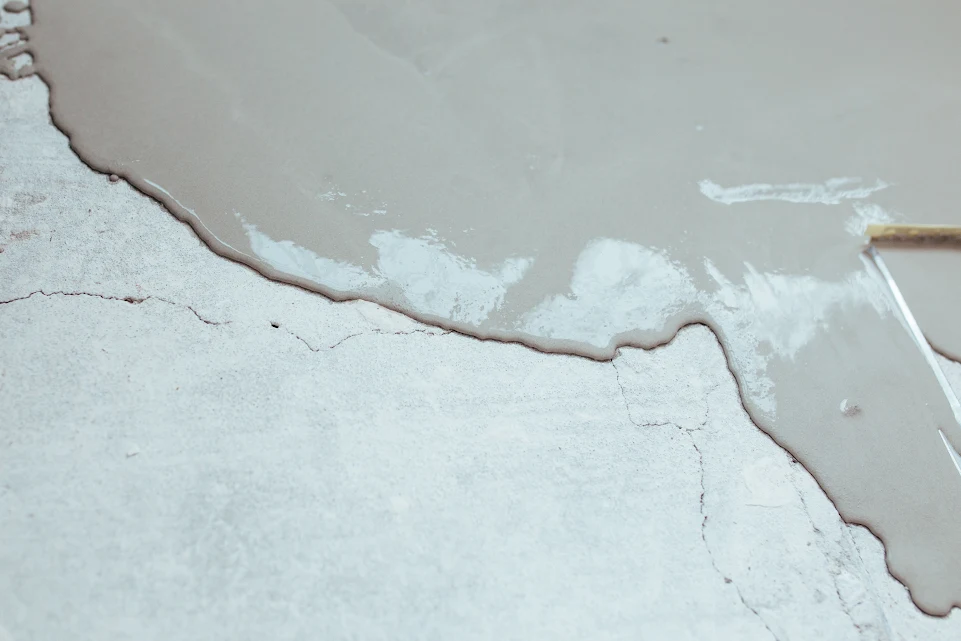
Resurfacing is an alternative option when the slabs are shown to have general surface degradation and are structurally sound, to avoid the cost of full demolition and repouring of the slabs. The price to resurface a typical two-car garage or basement floor is between $1,200 and $3,500.
Concrete Leveling (Mudjacking vs. Polyurethane)
Erosion of slabs which caused them to be sunken or unlevelled cost $600 to $1,800 to lift through mudjacking (slurry injection) or high-density polyurethane foam lifting (polyjacking).
Obtaining Accurate Concrete Repair Estimates
When requesting concrete repair estimates from professional contractors, ensure your estimate covers all necessary steps to prevent hidden add-ons later:
- On-site moisture testing: Detects hydrostatic pressure issues beneath the slab.
- Mechanical prep work: Confirms diamond grinding or shot-blasting is included.
- Material specifications: Details whether flexible sealants, epoxy primers, or cementitious overlays will be applied.
- Warranty coverage: Clarifies labor and product backing against future delamination.
Frequently Asked Questions
Is it cheaper to repair or replace a concrete floor?
Fixing or resurfacing a concrete floor will cost between 50% and 70% less than complete removal and replacement. Replacement work costs lots of money and takes longer to complete because of the demolition, haul-away fees, rebar installation, and longer curing times.
How long do concrete floor repairs last?
With proper surface prep and high-performing polymer materials, professional concrete floor repairs can last 10 to 20+ years.
Can I repair concrete floor cracks myself?
For hairline cracks less than 1/16″ deep, DIY concrete patch kits will suffice. But if the slab has active structural cracks, extensive spalling, or unevenness, commercial-grade equipment and polymers must be used to avoid a recurring failure.
What causes concrete floors to pit and crack?
They are often caused by freeze-thaw cycles, road salt corrosion, settling of subgrade soils, excessive mix water during initial pouring, and damage from excessive impact load.
How long after repair can I walk or drive on the floor?
The safety of foot traffic is typically within 12 to 24 hours. The cure times for vehicle garage floors or heavy equipment vary from 48 hours to 7 days, depending on the type of materials used (epoxy, polyaspartic, or cementitious).