
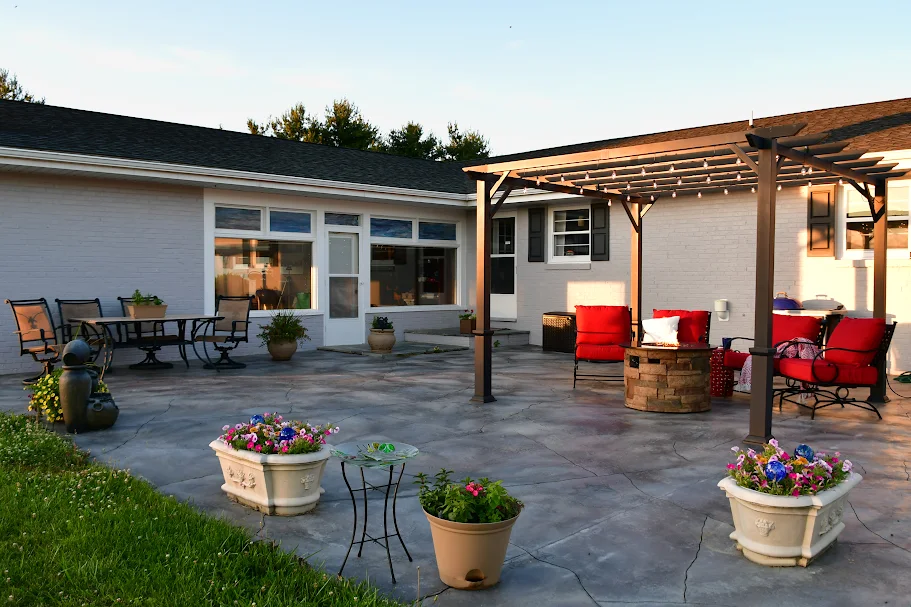
When designing the perfect outdoor living space, homeowners are increasingly turning to modern Decorative Concrete Systems to combine heavy-duty durability with high-end aesthetics. Traditional gray concrete slabs are no longer the only option for backyard designs. By utilizing advanced pouring, stamping, staining, and texturing techniques, a modern decorative concrete patio can mimic the luxurious look of natural stone, brick, interlocking pavers, or even rustic wood planking at a fraction of the cost.
Whether you are building a brand-new entertainment hub from scratch, expanding an existing layout, or upgrading an old, weathered backyard slab, exploring creative concrete options will completely transform your outdoor experience. In this comprehensive guide, we will dive deep into the best concrete designs, color palettes, and expert installation practices to help you build an outdoor oasis that lasts a lifetime.
Why Choose Decorative Cement Patio Designs?
Opting for a decorative cement patio offers the perfect balance of low maintenance and high visual appeal. Homeowners often struggle to choose between natural stone, wood decks, and concrete. While wood warps and requires annual staining, and stone pavers can shift over time, solid concrete provides unmatched structural longevity.
Transforming your backyard with a decorative concrete surface provides several key advantages:
- Offers endless customization options with unique textures, stamped patterns, and decorative borders.
- Resists harsh weather elements, intense summer UV rays, freezing winter cycles, and heavy foot traffic.
- Provides a seamless, solid surface that is incredibly easy to sweep, leaf-blow, and pressure wash.
- Delivers a luxury, high-end appearance without the premium material and labor costs of slate or granite.
- Increases the functional square footage and the overall resale value of your residential property.
By choosing a continuous solid surface, you eliminate the shifting problems common with individual stone pavers while keeping your maintenance routine down to a quick occasional rinse with a garden hose.
Stunning Concrete Designs for Patios
Selecting the right concrete designs for patios depends on your home’s architectural style, existing landscaping, and personal preferences. Whether you prefer a modern, rustic, or classic look, the right design can enhance your outdoor living space. Choosing Decorative Concrete Systems in Cicero, IL from an experienced team like Babcock Restoration Services ensures your patio is built on a properly prepared foundation with the right soil compaction and reinforcement before decorative finishes are applied for long-lasting results.
Consider these highly popular design trends for your upcoming backyard renovation:
Stamped Concrete
Stamped concrete is arguably the most popular choice for modern patios. While the concrete is still wet and pliable, installers press large, rigid polyurethane mats into the surface to imprint deep, realistic textures. This technique successfully replicates the premium look of slate, flagstone, European cobblestone, brick, or even authentic, grained wood planks. Once the surface is stamped and colored, it becomes virtually indistinguishable from the real material.
Stained Concrete
If you prefer a smooth surface with mesmerizing visual depth, stained concrete is an excellent option. Acid-based or water-based stains impart a translucent, rich, and beautifully variegated color tone that penetrates deep into the concrete’s pores. Rather than creating a solid, painted look, stains react chemically with the concrete to produce unique marbling effects, subtle shadows, and earthy tones that mimic natural stone or polished marble.
Exposed Aggregate
For a highly textured, slip-resistant, and organic finish, exposed aggregate is a timeless design choice. During the installation process, the top layer of smooth cement paste is carefully stripped away using specialized surface retardants and pressure washing. This process reveals the beautiful, multi-colored river stones, small gravel, quartz, or granite embedded just beneath the surface, creating a highly durable, rustic finish.
Engraved and Scored Concrete
If you already have a solid concrete patio that is in good structural condition but looks boring, you don’t have to tear it out. Advanced contractors can use specialized diamond-bladed saws and routing tools to carve geometric patterns, custom borders, medallions, or faux grout lines directly into cured, hardened cement. When combined with a fresh coat of stain, engraving can make an old slab look like an intricate, hand-laid stone tile floor.
Exploring Trending Patio Concrete Colors
The days of boring, chalky, industrial gray are officially over. Modern patio concrete colors allow you to effortlessly match your outdoor flooring to your home’s siding, landscape boulders, or interior flooring for a flawless indoor-outdoor transition. Using a combination of integral colors (mixed directly into the wet concrete) and topical accents (such as antiquing releases and stains), professionals can achieve incredible color realism.
Keep these trending color palettes in mind when planning your patio design:
- Warm Earth Tones: Tans, deep chocolate browns, rich terra cottas, and sandy beiges blend seamlessly into lush, natural backyard landscapes and traditional home designs.
- Modern Monochromatic Grays: Charcoal, slate gray, cool pewter, and soft silver shades complement contemporary, minimalist, or industrial architectural styles beautifully.
- Multi-Toned Antiquing: Combining a lighter base color with darker topical accent colors creates realistic shadows, highlighting the deep ridges of stamped patterns for maximum depth.
Things to Consider Before Installing Patio Decorative Concrete
Achieving a flawless, crack-resistant finish with patio decorative concrete requires careful planning and precise expert installation. To ensure your outdoor investment lasts for years and handles the elements effectively, consider these important factors before the concrete installation begins:
- Subgrade Preparation: Proper soil compaction and a stable base help prevent shifting, sinking, and cracks.
- Drainage and Slope: A correct slope directs water away from your home and protects the patio structure.
- High-Quality Sealer: A durable sealer enhances colors and protects against stains, weather, and wear.
- Slip Resistance: Textured finishes or additives improve safety on wet patio surfaces.
- Control Joints: Properly placed joints help reduce visible cracks caused by natural concrete movement.
Final Thoughts
Investing in a custom decorative concrete patio is one of the smartest, most cost-effective ways to elevate your backyard’s beauty, comfort, and utility. By blending the right patio concrete colors with artistic textures and professional craftsmanship, you can create a personalized backyard retreat that looks incredibly expensive but remains practical, highly durable, and easy to maintain.
Take the time to plan your design layout, gather inspiration photos, and consult with trusted, licensed professionals to bring your unique outdoor vision to life. A beautifully crafted decorative patio will proudly serve as the central backdrop for family barbecues, relaxing evenings around the fire pit, and memorable social gatherings for decades to come.
Frequently Asked Questions
1. How long does a decorative concrete patio last compared to other materials?
When properly installed, reinforced, and sealed, a decorative concrete patio can easily last 25 to 30 years or more. Because it is a solid, continuous structure, it won’t rot like wood decking or become loose and uneven like individual stone pavers, making it one of the longest-lasting outdoor flooring options available.
2. Will the colors on my stamped or stained patio fade over time?
While constant exposure to intense, direct sunlight can cause minor fading over several years, you can easily protect and maintain the rich color by applying a high-quality UV-resistant sealer. Re-sealing your patio every 2 to 3 years will keep the colors looking as vibrant and deep as the day they were first applied.
3. Does decorative concrete crack, and how can it be prevented?
All concrete has a natural tendency to experience minor shrinkage and cracking as it cures and settles. However, professionals prevent visible, destructive cracking by compacting a solid gravel subgrade base, installing steel rebar or wire mesh reinforcement, and cutting strategic “control joints” into the design so the concrete cracks safely along pre-planned, hidden lines.
4. How much maintenance does a decorative concrete patio actually require?
Decorative concrete requires very little maintenance compared to other outdoor surfaces. For routine cleaning, all you need to do is sweep away debris and occasionally rinse the surface with a garden hose or mild dish soap. To keep it protected from moisture, stains, and UV damage, simply apply a fresh coat of clear concrete sealer every few years.
5. Can I install decorative concrete over my existing, old concrete patio?
Yes! If your old concrete slab is structurally sound and free of major, deep shifting or crumbling, a contractor can apply a decorative concrete overlay. A thin polymer-modified concrete overlay can be poured directly over your existing slab, which can then be stamped, stained, or colored to look brand new without the high cost of total demolition and removal.