
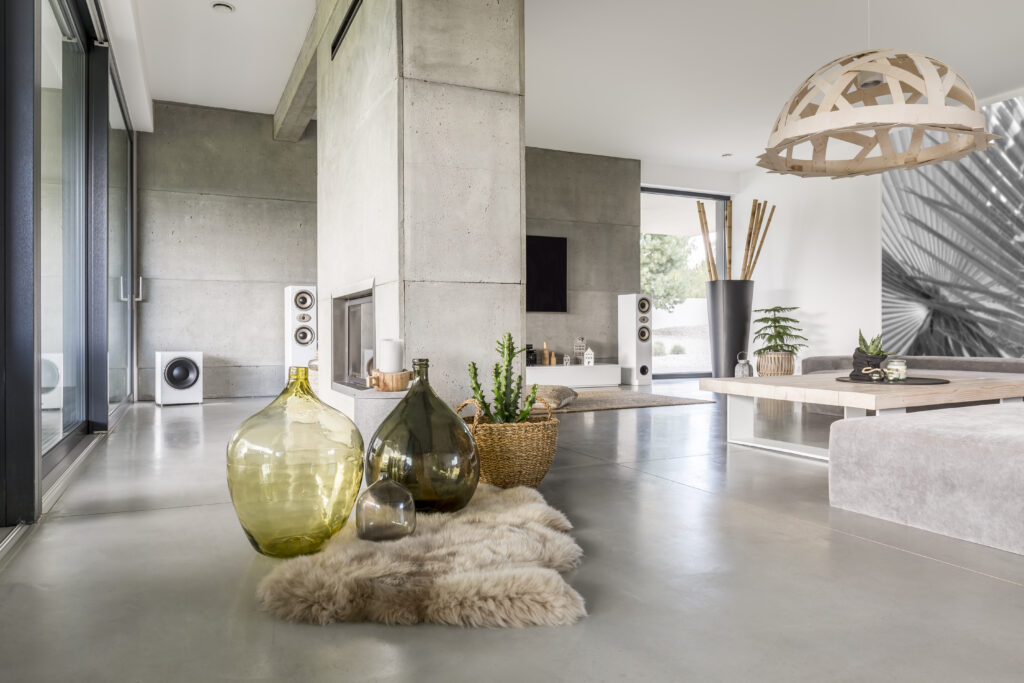
Polished concrete floors are rapidly gaining popularity among homeowners due to their durability, low maintenance, modern aesthetic, and cost-effectiveness. Once primarily associated with industrial spaces, polished concrete is now a premium flooring solution for residential homes, garages, and high-traffic areas.
The process involves mechanically grinding and polishing a concrete slab, producing a smooth, reflective, and exceptionally strong surface. With proper finishing techniques, polished concrete can provide warmth, elegance, and a long-lasting solution that adapts to modern interior design.
What Are Polished Concrete Floors?
Polished concrete floors in River Forest, IL, are created by progressively grinding a concrete slab with diamond abrasives, gradually smoothing the surface and increasing reflectivity. Unlike coated floors, the slab itself becomes the finished surface, offering superior strength, durability, and longevity.
Key Features:
- Scratch-resistant and highly durable
- Low-maintenance surface that resists wear
- Allergy-friendly; does not trap dust, dirt, or mold
- Moisture-resistant, suitable for kitchens, basements, and garages
Polished concrete is ideal for busy households, open floor plans, and high-traffic zones, providing both aesthetic appeal and long-term performance.
Factors Affecting the Cost of Polished Concrete
Polished concrete flooring costs vary based on several factors:
| Factor | Impact on Cost |
| Condition of existing slab | Cracks or imperfections require repair before polishing |
| Polish level | Higher gloss and finer grit polishing increase labor costs |
| Decorative finishes | Staining, scoring, and embedded designs add material and labor expenses |
| Accessibility | Hard-to-reach areas can increase installation complexity |
| Location & labor rates | Regional differences in skilled labor affect final cost |
Average Cost Per Square Foot (2026):
| Type of Finish | Cost per Sq Ft | Durability | Maintenance |
| Basic Polished | $3–$6 | 25–50 years | Low |
| Stained/Decorative | $6–$12 | 25–50 years | Moderate |
| Exposed Aggregate | $8–$15 | 30–50 years | Moderate |
| Epoxy-Coated | $10–$18 | 20–40 years | Moderate |
While initial costs may seem comparable to premium flooring options, polished concrete is cost-effective over time due to minimal maintenance and a long lifespan.
Benefits of Polished Concrete in Homes
Polished concrete floors offer a variety of advantages for residential spaces:
- Durability: Resistant to scratches, dents, and heavy foot traffic.
- Healthier Indoor Air: Smooth, sealed surfaces do not harbor dust mites, mold, or allergens.
- Low Maintenance: Requires only sweeping, damp mopping, and occasional sealing.
- Aesthetic Versatility: Available in different stains, colors, gloss levels, and scoring patterns to match any interior design.
- Eco-Friendly: Utilizes the existing concrete slab, reducing material waste and resource consumption.
- Moisture Tolerance: Performs well in kitchens, bathrooms, and basements.
Polished concrete is suitable for living rooms, kitchens, bedrooms, and open floor plans, where it creates a sleek, modern appearance while remaining functional.
Why Polished Concrete Works Well in Garages
Garages require flooring that can withstand:
- Heavy vehicles and tools
- Oil and chemical spills
- Frequent abrasion and impact
Polished concrete excels in these conditions:
- Stain-Resistant: Proper sealing prevents absorption of automotive fluids.
- Easy to Clean: Smooth surface allows quick cleanup of dirt or spills.
- Enhanced Lighting: Reflective surfaces improve visibility in garages or workshops.
- Durable Foundation: Supports multipurpose use—home gyms, workshops, or storage areas.
Polished concrete provides a refined and functional surface for garages without sacrificing strength or longevity.
Design Flexibility & Customization
Contrary to industrial stereotypes, polished concrete offers extensive design options:
- Colors: Neutral grays, bold stains, or custom pigments.
- Finishes: Matte, satin, or high-gloss.
- Embedded Designs: Logos, tiles, or aggregates for unique patterns.
- Scoring & Borders: Visual separation in open floor plans for living spaces or garages.
This flexibility allows homeowners to create intentional, modern, and personalized flooring rather than a plain, industrial look.
Installation & Maintenance Tips
Installation Best Practices:
- Inspect the slab for cracks, unevenness, or moisture issues.
- Grind the concrete using progressively finer diamond abrasives.
- Apply densifiers or sealers to increase hardness and reflectivity.
- Polish to the desired gloss level (e.g., 200, 400, 800, 1500 grit).
- Add decorative elements, scoring, or staining as needed.
Maintenance Recommendations:
- Sweep regularly to prevent dirt abrasion.
- Mop with a pH-neutral cleaner to avoid damage.
- Reapply sealer every 1–2 years for optimal protection.
- Avoid walking with sharp heels or dragging heavy objects across the floor.
With proper installation and care, polished concrete floors can last 25–50 years or more.
Bringing It All Together
Polished concrete floors combine strength, durability, low maintenance, and design flexibility in a way few flooring options can match. They are suitable for residential spaces, high-traffic areas, and garages, providing a modern, eco-friendly, and cost-effective flooring solution.
For homeowners seeking durable yet stylish floors, polished concrete delivers a long-lasting and future-proof investment that enhances both functionality and aesthetics.
FAQs
1. How long do polished concrete floors last?
With proper installation and maintenance, polished concrete floors can last 25–50 years or more.
2. Are polished concrete floors slippery?
Most finishes are slip-resistant, especially matte or satin surfaces.
3. Can polished concrete be used in living rooms and bedrooms?
Yes. Rugs can be added for warmth and comfort while maintaining durability.
4. Does polished concrete require sealing?
Yes. Sealing enhances stain resistance and prolongs lifespan.
5. Are polished concrete floors environmentally friendly?
Yes. Polished concrete uses existing slabs and reduces the need for replacement flooring, making it eco-conscious.