
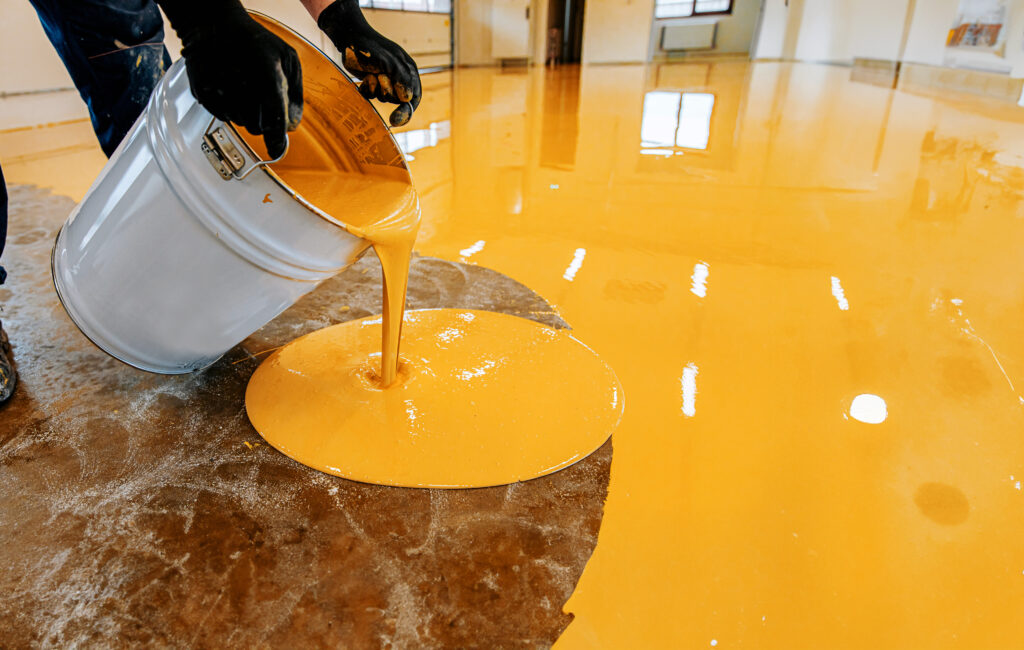
Commercial epoxy floor coating remains one of the most durable and cost-effective flooring solutions for businesses in 2026. Whether you manage a retail showroom, warehouse, hospital, restaurant, or manufacturing facility, epoxy coatings protect floors from heavy foot traffic, equipment movement, stains, and chemical spills.
On average, commercial epoxy floor coating costs between $2.50 and $12.00 per square foot, depending on factors such as surface preparation, application method, and type of epoxy. However, the final investment varies based on property size, coating type, preparation requirements, labor, and location.
In this 2026 cost guide, we break down everything business owners need to know before budgeting for an epoxy flooring project.
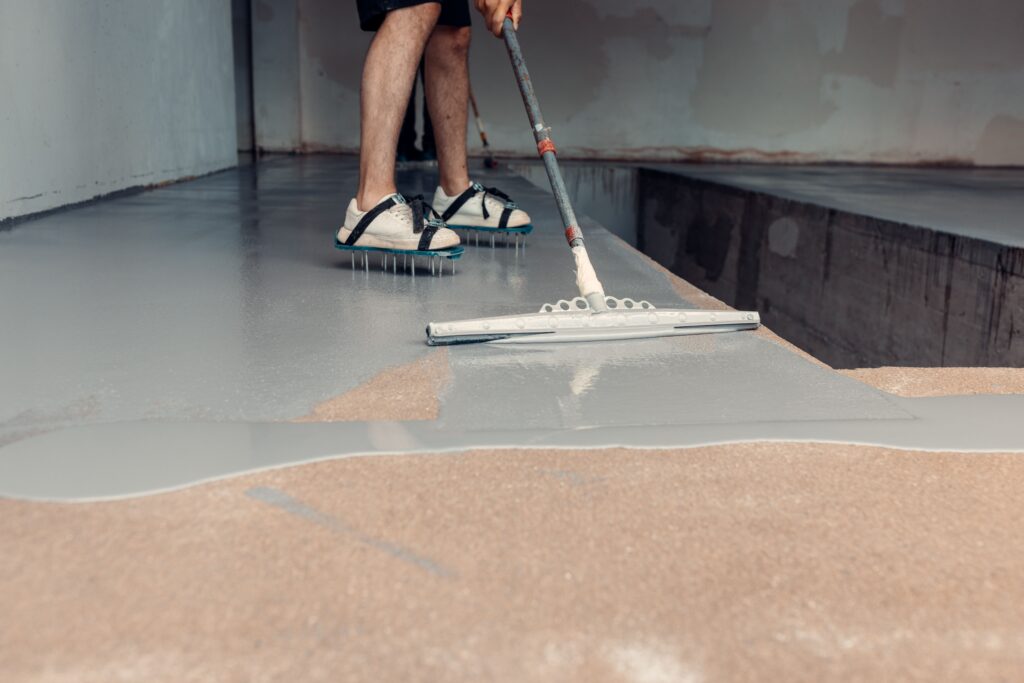
Budgeting for Commercial Epoxy Flooring in 2026
Are your commercial floors scratched, stained, or deteriorating? Or are you installing new flooring and want long-term protection? Many business owners compare the cost of polyaspartic vs. epoxy, but epoxy continues to stand out for its balance of affordability, durability, and aesthetic options.
Here’s what determines your total epoxy flooring investment.
1. Property Size and Square Footage
The total area of your facility is one of the biggest pricing factors. Larger buildings naturally require more material and labor. However, large-scale projects like factories or distribution centers often benefit from lower cost per square foot due to bulk pricing and operational efficiency.
Smaller commercial spaces may have a higher price per square foot, even though the total project cost remains lower.
2. Type of Epoxy System Selected
Not all epoxy coatings are priced the same. The type of system you choose directly impacts material costs and installation complexity.
Here’s a general 2026 breakdown:
- Solid Color Epoxy: $2–$4 per sq. ft.
- Metallic Epoxy: $5–$12 per sq. ft.
- Flake or Quartz Systems: $6–$8 per sq. ft.
- Epoxy Mortar Systems: $8–$12+ per sq. ft.
Basic solid-color coatings are more affordable and ideal for light commercial use. Decorative metallic finishes increase cost due to additional layers and artistic application. Epoxy mortar systems are the most durable option, often used in industrial facilities where impact resistance is essential.
3. Labor Costs
Labor typically accounts for 60–70% of the total project budget. Professional epoxy installation requires skill, proper mixing ratios, surface leveling, and precise application techniques.
Experienced contractors may charge higher rates, but expert installation ensures long-term durability and fewer repairs. Cutting corners on labor often leads to premature peeling or coating failure.
4. Surface Preparation Requirements
Preparation is critical for a long-lasting epoxy system. Before coating begins, the existing surface must be:
- Mechanically ground or shot-blasted
- Thoroughly cleaned
- Crack-filled and leveled
- Moisture tested
If your concrete floor has major cracks, uneven areas, or previous coatings that must be removed, preparation costs will increase. While prep work adds to the initial investment, it prevents costly future repairs.
5. Type of Commercial Property
The intended use of your facility plays a role in pricing. A light-duty epoxy coating in a commercial kitchen or retail store typically costs less than a heavy-duty industrial epoxy mortar system used in manufacturing plants.
Industries that deal with chemicals, forklifts, or heavy machinery require thicker, more resilient coatings, which increase material and labor costs.
6. Geographic Location
Your location influences overall project pricing. Urban areas with higher labor demand and operational costs often result in higher installation rates. In contrast, smaller towns or suburban regions may offer more competitive pricing.
Permit requirements may also vary depending on local regulations.
7. Permit and Compliance Fees
In industrial settings, heavy grinding during preparation can produce silica dust, requiring compliance with safety regulations. Some projects may require permits or environmental approvals.
Permit fees vary by region but should be factored into your total commercial epoxy flooring budget.
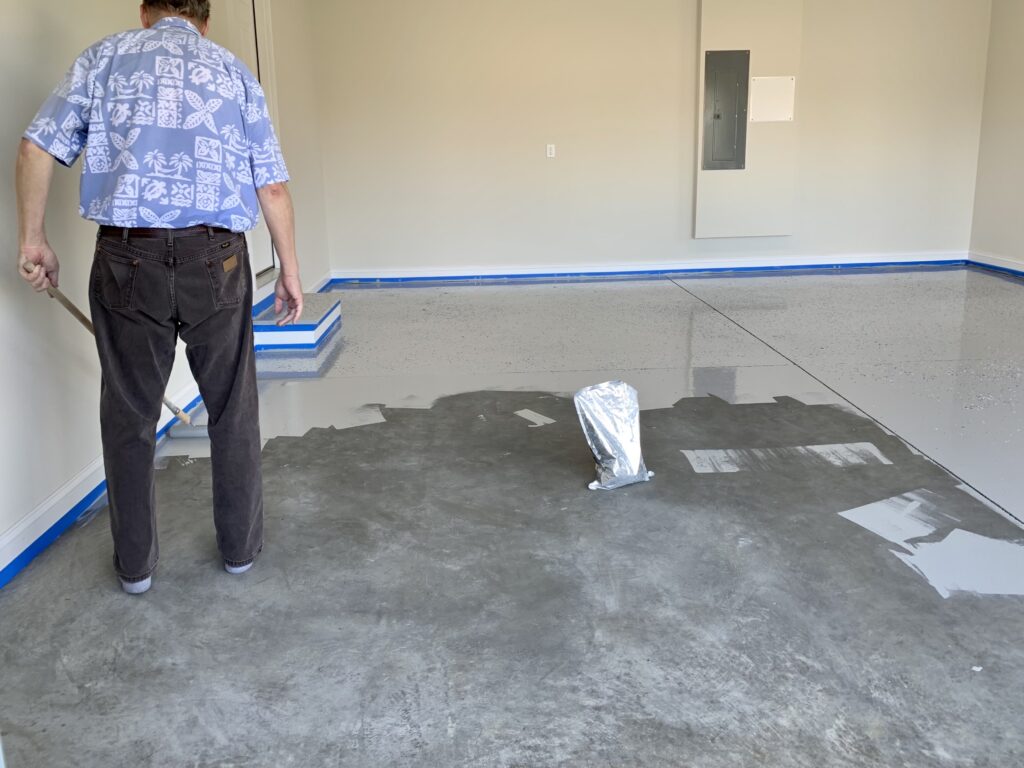
Maintaining Your Epoxy Floor for Long-Term Value
Once your epoxy floor is installed, proper maintenance protects your investment and extends its lifespan. Fortunately, epoxy coatings are relatively easy to maintain.
Here are expert-recommended maintenance practices:
Routine Cleaning
Use a soft broom or microfiber dust mop daily to remove debris and prevent scratches.
Degreasing When Needed
In restaurants or industrial environments, clean oil and chemical spills promptly using an approved degreaser.
Use Rubber Wheels
Equip carts and machinery with rubber wheels to minimize surface wear.
Install Entry Mats
Mats at entrances help trap dirt and moisture before they reach the coated surface.
Schedule Professional Deep Cleaning
Periodic professional cleaning enhances appearance and protects the coating’s integrity.
Consistent care reduces repair costs and helps your epoxy flooring maintain its shine and durability for years.
Is Commercial Epoxy Flooring Worth the Investment?
While the upfront cost ranges between $2.50 and $12.00 per square foot, commercial epoxy flooring delivers exceptional durability, chemical resistance, and aesthetic versatility. When professionally installed and properly maintained, epoxy floors can last 10 to 20 years in commercial settings.
For business owners seeking a long-term flooring solution that balances cost and performance, epoxy remains a practical and reliable choice in 2026.
FAQs
1. How soon can I walk on a newly installed epoxy floor?
Light foot traffic is typically allowed after 24 to 72 hours, but full curing may take up to 7 days depending on environmental conditions.
2. How long does commercial epoxy flooring last?
In most commercial environments, epoxy flooring lasts between 10 and 20 years, depending on traffic levels and maintenance practices.
3. What increases the cost of epoxy floor coating?
Extensive surface preparation, decorative finishes, heavy-duty systems, labor rates, and permit requirements can all increase overall project cost.
4. Is epoxy flooring better than polyaspartic coating?
Epoxy is generally more affordable and highly durable, while polyaspartic systems cure faster. The best option depends on project timeline and performance needs.
5. How often should commercial epoxy floors be professionally cleaned?
Professional deep cleaning is recommended every one to three months, depending on traffic volume and industry type.